


Inkes – Here is the translation of the article into English, followed by SEO titles and a 140-character description.
Pain Under the Chest: Understanding the Causes and When to Worry
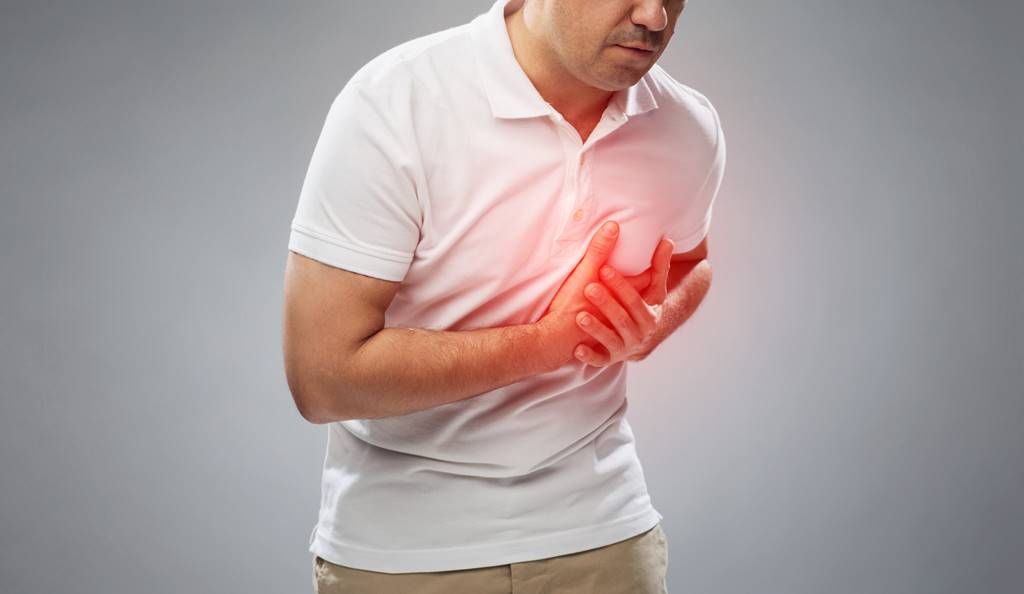
Pain in the body should never be taken lightly. If pain persists despite treatment, it often signals an underlying issue that needs immediate attention—especially if the pain is located just below the chest or breasts. Here are the most common causes of pain in this specific area.
Common Causes of Pain Below the Chest
1. Physical Injury or Accidents
A fall or an accident is a primary cause of chest pain. Strong pressure or impact on the chest wall can cause bruising and inflammation. You may notice bluish or purple spots (ecchymosis) in the affected area. This also applies to those recovering from chest surgery; the pain should gradually subside as the tissue heals.
2. Muscle Strain
Muscles have limits. If you overexert the muscles around your chest—often through heavy lifting or intense weightlifting—they can become strained. This results in sharp discomfort below the chest, which can make deep breathing feel very uncomfortable.
3. Gallstones
Gallstones form when bile fluid hardens into deposits. While bile is essential for digestion, these stones can block the bile duct, causing radiating pain in the chest and abdomen. Other symptoms include jaundice (yellowing of the skin/eyes), persistent nausea, vomiting, and fever.
4. Irritable Bowel Syndrome (IBS)
IBS is a common disorder affecting the large intestine. While primarily a digestive issue, the trapped gas and bloating associated with IBS can cause referred pain in the lower chest area. Other signs include diarrhea, constipation, mucus in the stool, and a feeling of incomplete bowel movements.
5. Pneumonia
Pneumonia is an infection that inflames the air sacs in the lungs, which may fill with fluid. This causes sharp chest pain, especially when coughing or breathing deeply. Symptoms include fever, chills, fatigue, and coughing up green, yellow, or even bloody mucus. Pneumonia can be life-threatening and requires immediate medical care.
6. Menstrual Cycle
In women, hormonal fluctuations during the menstrual cycle or ovulation can cause breast tissue to swell and become tender. This "heaviness" can result in pain felt underneath or around the breasts. This discomfort is usually temporary and disappears once the cycle ends.
7. Costochondritis
This is the inflammation of the cartilage that connects a rib to the breastbone (sternum). It can be triggered by injury, intense physical activity, or even severe coughing fits. Symptoms include sharp pain on either side of the chest, shortness of breath, and dizziness.
When Should You See a Doctor?
While some pain is minor, seek emergency medical help if you experience:
* Sudden, sharp, and unbearable chest pain.
* Pain that spreads to the arms, neck, or jaw.
* Bluish tints on the skin or lips (cyanosis).
* Intense difficulty breathing or extremely short breath.
* Coughing up blood.
* Dizziness, fainting, or loss of consciousness.







0 komentar:
Posting Komentar