Widget HTML (label produk)

Tampilkan postingan dengan label English. Tampilkan semua postingan

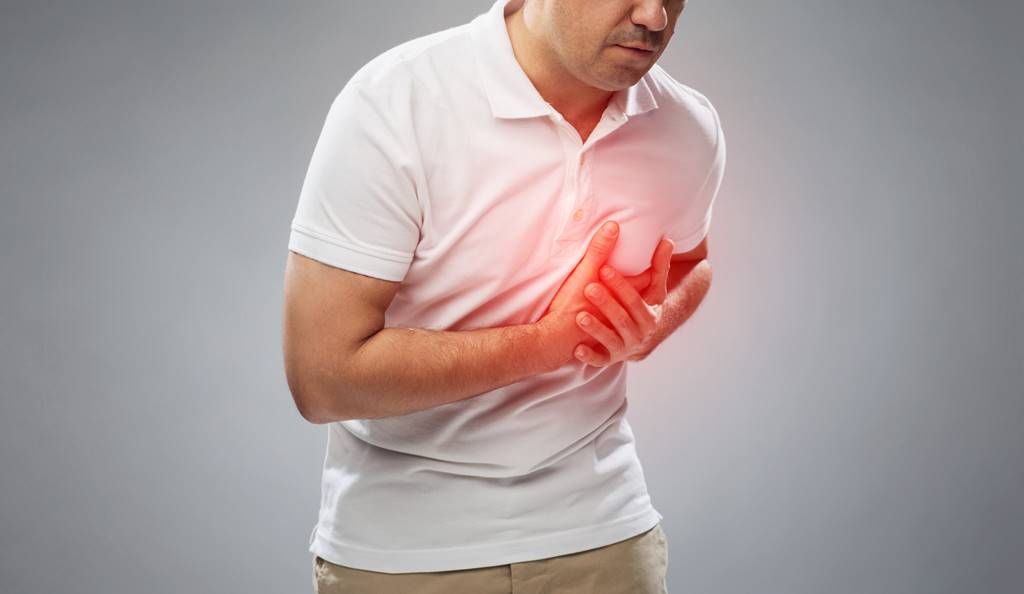
Pain Below the Chest: 7 Common Causes and Warning Signs


nyeri-bawah-dada-doktersehat


Inkes – Here is the translation of the article into English, followed by SEO titles and a 140-character description.

Pain Under the Chest: Understanding the Causes and When to Worry

Pain in the body should never be taken lightly. If pain persists despite treatment, it often signals an underlying issue that needs immediate attention—especially if the pain is located just below the chest or breasts. Here are the most common causes of pain in this specific area.

Common Causes of Pain Below the Chest

1. Physical Injury or Accidents

A fall or an accident is a primary cause of chest pain. Strong pressure or impact on the chest wall can cause bruising and inflammation. You may notice bluish or purple spots (ecchymosis) in the affected area. This also applies to those recovering from chest surgery; the pain should gradually subside as the tissue heals.

2. Muscle Strain

Muscles have limits. If you overexert the muscles around your chest—often through heavy lifting or intense weightlifting—they can become strained. This results in sharp discomfort below the chest, which can make deep breathing feel very uncomfortable.

3. Gallstones

Gallstones form when bile fluid hardens into deposits. While bile is essential for digestion, these stones can block the bile duct, causing radiating pain in the chest and abdomen. Other symptoms include jaundice (yellowing of the skin/eyes), persistent nausea, vomiting, and fever.

4. Irritable Bowel Syndrome (IBS)

IBS is a common disorder affecting the large intestine. While primarily a digestive issue, the trapped gas and bloating associated with IBS can cause referred pain in the lower chest area. Other signs include diarrhea, constipation, mucus in the stool, and a feeling of incomplete bowel movements.

5. Pneumonia

Pneumonia is an infection that inflames the air sacs in the lungs, which may fill with fluid. This causes sharp chest pain, especially when coughing or breathing deeply. Symptoms include fever, chills, fatigue, and coughing up green, yellow, or even bloody mucus. Pneumonia can be life-threatening and requires immediate medical care.

6. Menstrual Cycle

In women, hormonal fluctuations during the menstrual cycle or ovulation can cause breast tissue to swell and become tender. This "heaviness" can result in pain felt underneath or around the breasts. This discomfort is usually temporary and disappears once the cycle ends.

7. Costochondritis

This is the inflammation of the cartilage that connects a rib to the breastbone (sternum). It can be triggered by injury, intense physical activity, or even severe coughing fits. Symptoms include sharp pain on either side of the chest, shortness of breath, and dizziness.

When Should You See a Doctor?

While some pain is minor, seek emergency medical help if you experience:

 * Sudden, sharp, and unbearable chest pain.

 * Pain that spreads to the arms, neck, or jaw.

 * Bluish tints on the skin or lips (cyanosis).

 * Intense difficulty breathing or extremely short breath.

 * Coughing up blood.

 * Dizziness, fainting, or loss of consciousness.

Toe Shape Personality Test: What Your Feet Reveal About Your Character


jari-kaki-doktersehat
photo credit : pexels.com

InkesMedik – Here is the translation of the article into English, followed by SEO titles and a 140-character description.

What Your Feet Say About You: Decoding Personality Through Toe Shapes

Every individual possesses a unique personality that defines their character and temperament. While some traits are innate from birth, others are shaped as we grow older. Having a strong, positive personality is essential for social harmony, as it serves as a foundation for building better relationships with those around us.

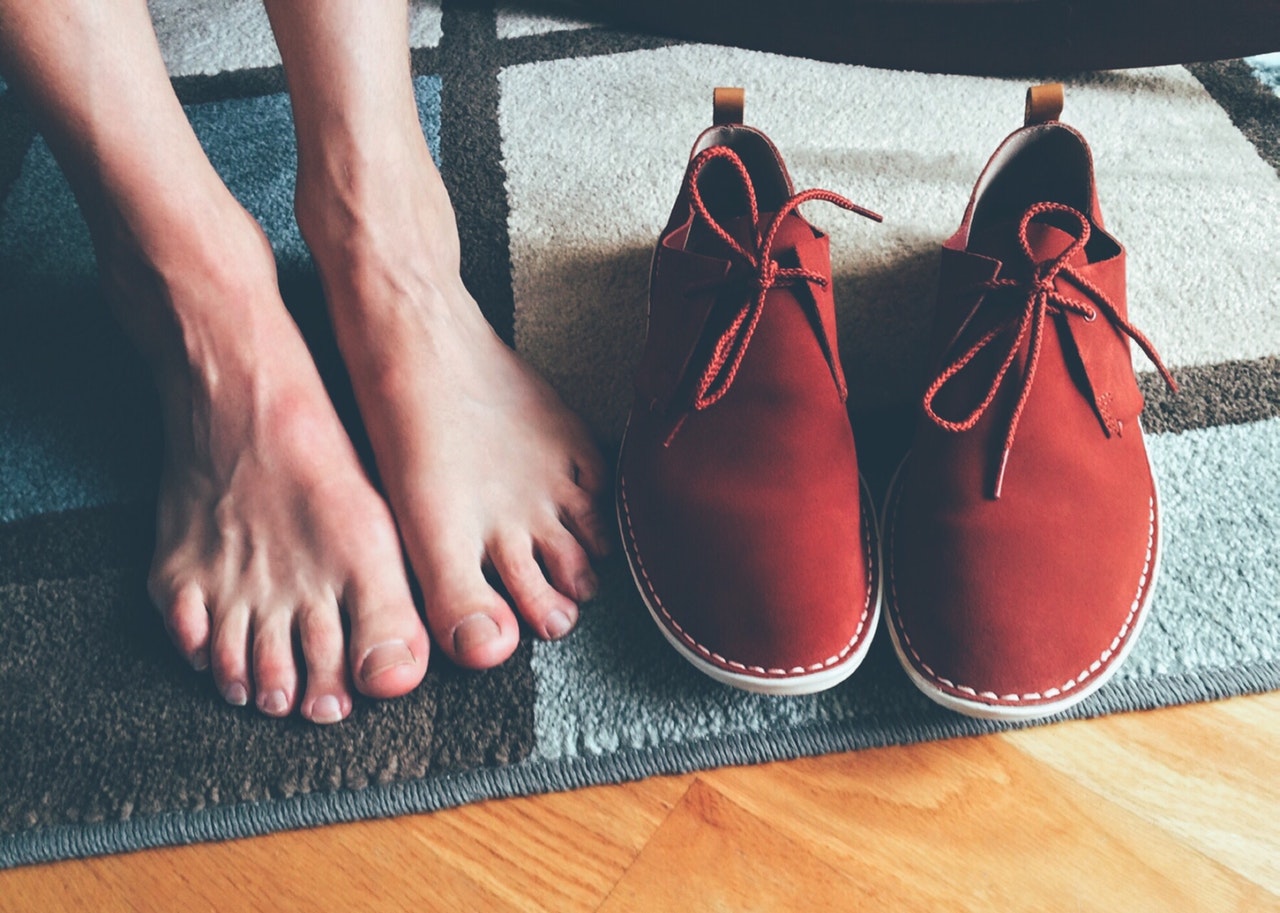
Traditionally, we judge personality through appearance, posture, eating habits, or speech. However, recent studies have introduced an intriguing method of character analysis: the shape of your toes and feet. Here is what your feet might be revealing about your inner self:

1. Small Toes: The Efficient Multitasker

If you have small toes, you are likely an excellent multitasker. Individuals with this trait are often characterized as friendly, intelligent, and highly strategic. You are a natural planner who can easily organize concepts and execute complex ideas with ease.

2. Large Toes: The Creative Visionary

Having large toes often points toward a personality rich in artistic talent. Research suggests that people with larger toes are highly creative in almost every aspect of their lives. Beyond their creativity, they are also known for having a sharp, analytical mind and deep thinking capabilities.

3. Foot Arch: The Mark of Independence

The arch of your foot also plays a role in defining your persona. A low arch (flat feet) is sometimes associated with a need for support and, in some traditional interpretations, may link to specific health or mental wellness considerations. On the other hand, individuals with high arches are often fiercely independent. They prefer to live on their own terms and rarely depend on others to get things done.


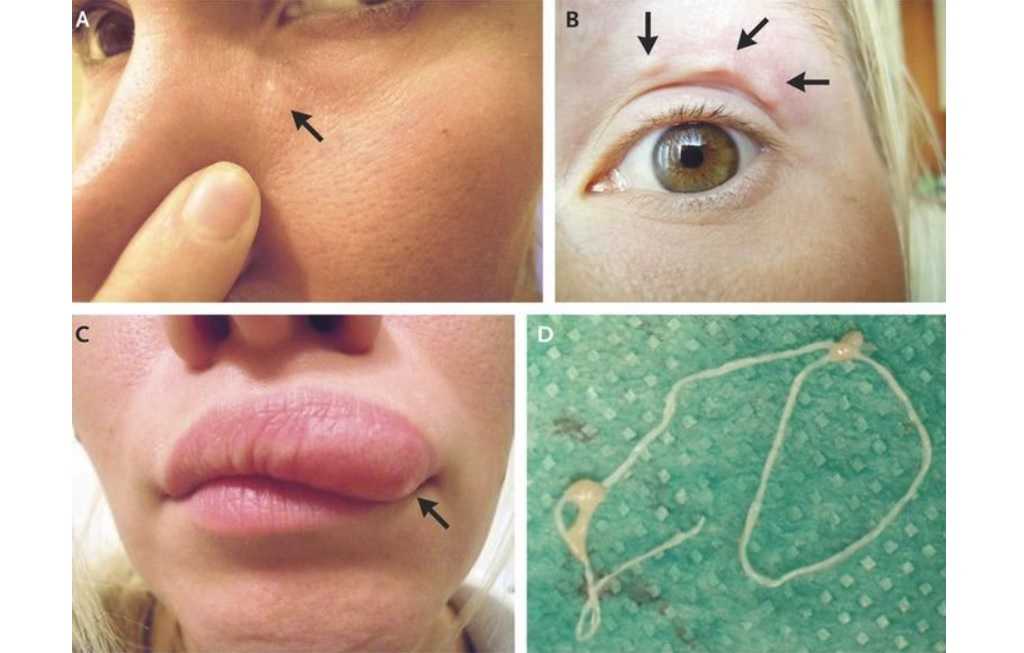
Her Face Was Covered in Bumps—The Cause Was a Living Worm!


benjolan_cacing_parasit_doktersehat_2
Photo Source: The New England Journal of Medicine

Inkes – Parasitic Worm Bump: A Rare Medical Case

Source: The New England Journal of Medicine

An unnamed 32-year-old woman recently discovered unusual bumps on her face. Initially, she didn't give them much thought; however, she eventually noticed something strange—the bumps were moving. Concerned, she decided to seek medical attention.

According to The New England Journal of Medicine, photos clearly document the migration of the bumps across the woman's face. It began as a small lump on her eyelid, but within days, it moved to her eyebrow and eventually settled in her upper lip.

Diagnosis: Dirofilaria repens

The examining physician diagnosed her with an infection caused by a parasitic worm called Dirofilaria repens. While it isn't entirely clear how the parasite entered her face, it is highly probable that it was transmitted through a mosquito bite.

> "The patient had recently traveled to a rural area outside Moscow, Russia. She reported being bitten frequently by mosquitoes during her stay. Physical examination revealed a long, mobile nodule in the left upper eyelid," the doctors noted in the journal published on Thursday, June 21, 2018.

Rare in Humans

Dirofilaria repens is a very thin, thread-like worm. While it enters the body through mosquito bites, it typically infects mammals such as dogs or cats. Human infections like the one experienced by this woman are considered extremely rare.

Fortunately, these worms cannot reproduce under human skin. However, infected individuals often experience a "creeping" sensation—a terrifying feeling of the worm wriggling beneath the surface of the skin.

To treat the condition, doctors performed a minor surgical procedure to remove the worm. The patient made a full and speedy recovery shortly after the extraction.

Would you like me to help you summarize this into a shorter social media post or perhaps create a list of vocabulary words based on this medical text?


Is Your Favorite Meal Killing Your Kidneys? The Silent Habit You Need to Stop.


daging-bakar-doktersehat
photo credit: Pexels

InkesMedik – Can Excessive Meat Consumption Damage Your Kidneys?

The kidneys are among the most vital organs in the human body. Without them, our bodies would be unable to regulate fluid levels, balance minerals, or filter out waste and toxins. Unfortunately, many of us maintain unhealthy lifestyles that ultimately lead to kidney damage.

Can Eating Meat Damage the Kidneys?

Health experts identify numerous causes of kidney damage, one of which is the habit of consuming excessive amounts of meat. Although meat is delicious, it should be consumed in moderation to avoid negative health effects.

Specifically regarding kidney health, red meat can trigger excessive acid production in the blood. This condition can lead to acidosis, a state where the kidneys can no longer effectively remove acid from the bloodstream. This forces the kidneys to work significantly harder, making them highly vulnerable to long-term damage. To protect your kidneys, it is wise to limit your intake of red meat.

Other Habits That Can Damage Your Kidneys

Beyond excessive meat consumption, several other common habits can jeopardize your kidney health. Here are the behaviors you should avoid:

1. Frequent Consumption of Processed Foods

Processed foods are typically high in phosphorus and sodium. While these minerals are necessary in small amounts, consuming them in excess can lead to kidney damage. Limit your intake of sausages, canned vegetables, cookies, packaged snacks, nuggets, and fast food.

2. Misusing Painkillers

Common over-the-counter pain relievers such as ibuprofen, aspirin, and acetaminophen are easily accessible. However, taking these medications frequently or without professional guidance can make the kidneys more prone to failure over time.

3. Dehydration (Lack of Water)

Health experts recommend drinking at least 2 liters of water daily to support overall health and ease the kidneys' workload. Busy schedules often lead to chronic dehydration, a condition that directly contributes to kidney strain and damage.

4. Excessive Salt Intake

A high-sodium diet does more than just raise your blood pressure; it also increases the risk of kidney disease. High blood pressure reduces blood flow to the kidneys, impairing their function while simultaneously forcing them to work harder to excrete the excess sodium.

5. Lack of Sleep

Poor sleep patterns disrupt the body’s circadian rhythm, which plays a role in regulating kidney function. When this rhythm is out of sync, the workload on the kidneys increases, making them more susceptible to damage.

6. Alcohol Consumption

Alcohol places a significant strain on kidney function. Research indicates that regular drinkers have a much higher risk of developing chronic kidney disease.

7. High Sugar Intake

Consuming foods and drinks high in sugar increases the risk of diabetes. Since diabetes is a leading cause of kidney failure, managing your sugar intake is essential for protecting these vital organs.

Would you like me to create a summary of "Kidney-Friendly Habits" based on this article for a 

quick reference guide?

Stop! 6 Popular Drinks That Are Secretly Ruining Your Iftar

soda-buruk-untuk-kesehatan-doktersehat
photo credit: Pexels


Don’t Break Your Fast with These 6 Drinks: Here’s Why

After a long day of fasting, it is natural to crave something cold and refreshing. However, health experts warn that many popular drinks consumed during Iftar (breaking of the fast) can actually have a negative impact on your health, especially when consumed on an empty stomach.

Drinks to Avoid Immediately When Breaking Your Fast
Many traditional Iftar drinks are high in sugar or acidity. While they quench your thirst instantly, frequent consumption can lead to various health issues. Here are the drinks you should be cautious of:

1. Tea
Similar to coffee, tea is not recommended as the first thing you drink when breaking your fast. Its acidic nature and caffeine content can trigger a spike in stomach acid or cause heartburn (dyspepsia) when the stomach is empty.

2. Excessive Plain Water
Wait—water is healthy, right? The issue here is quantity. Drinking too much water all at once immediately upon breaking your fast can lead to bloating or a feeling of "fullness" (begah) that prevents you from eating a nutritious meal. It is best to drink moderate amounts in intervals.

3. Coffee
Coffee is highly acidic and can irritate the stomach lining if consumed before eating. Furthermore, coffee is a diuretic, meaning it encourages urination. Instead of rehydrating your body after a day of fasting, coffee might cause you to lose even more fluids.

4. Full Cream Milk
While nutrient-dense, full-cream milk has a high fat content. Consuming heavy fats on an empty stomach can slow down digestion and cause discomfort. Experts suggest waiting until after you have eaten a light meal before enjoying a glass of milk.

5. Carbonated Drinks (Soda)
Sodas are often high in carbonation (gas), which leads to immediate bloating. They are also highly acidic and loaded with sugar. Regular consumption can cause tooth decay, bad breath, and dangerous spikes in blood sugar levels—especially for those with pre-diabetes or diabetes.

6. Ice Cream
The extreme cold temperature of ice cream can "shock" your digestive system after it has been inactive all day. This often results in stomach cramps, bloating, and indigestion.

Vicki Hull’s Lipedema Transformation: How Surgery Removed 22 Liters of Fat


kaki_bengkak_doktersehat_1
Photo Source: Caters News/Story Trender

InkesMedik – Beyond Weight Loss: The Incredible Transformation of Vicki Hull and Her Battle with Lipedema

When we think of weight gain, we often think of calories in versus calories out. But for 31-year-old Vicki Hull from Southampton, England, her body was fighting a battle that no amount of dieting could win. For 15 years, Vicki watched in horror as her legs grew to a disproportionate size, eventually reaching a point where her lower body felt like a heavy anchor, weighing 70 kg more than it should.

This isn’t just a story about surgery; it is a deep dive into a widely misunderstood medical condition called Lipedema, and the woman who fought to get her life back.

What is Lipedema? The Silent Condition Behind the Swelling

For years, Vicki struggled with the mystery of her changing body. While she admitted to a period of unhealthy snacking, something didn't add up. Even when she switched to a strict, healthy lifestyle and committed to regular exercise, her legs continued to balloon.

The diagnosis finally came five years ago: Lipedema.

Lipedema is a chronic medical condition characterized by a symmetric buildup of adipose tissue (fat) in the legs and arms. Unlike typical obesity, lipedema fat is "stubborn." It is often painful to the touch and, most importantly, it is resistant to diet and exercise. For Vicki, the condition was so advanced that her legs became completely disproportionate to the rest of her body, leading to physical pain and severe emotional distress.

The Physical and Emotional Toll

"My legs were much larger than the rest of my body," Vicki recalled. The physical weight—an extra 70 kg—made daily movement a struggle. However, the psychological weight was even heavier. Living with a visible, misunderstood condition led Vicki into a deep depression. In a society that often equates leg size with a lack of discipline, Vicki felt judged for a condition she couldn't control.

As her legs continued to swell, Vicki knew she needed a permanent solution. The answer was a specialized surgery to remove the diseased fat cells, but there was a catch: the procedure came with a price tag of £20,000.

A Community Rallies: The Journey to Surgery

Determined to reclaim her mobility and her happiness, Vicki turned to the community. Through a crowdfunding campaign, she managed to raise the necessary funds in a remarkably short time. This support was the lifeline she needed to undergo a life-altering transformation.

During the surgery, doctors performed a massive extraction, removing 22 liters of fat and excess skin from her arms and legs. The results were immediate and staggering. Within just two months, Vicki’s body weight was reduced by half.

A New Lease on Life

Today, Vicki Hull is a different woman. The physical transformation is obvious, but the mental shift is even more profound. "I feel much happier with my body shape now," she says. While she faces one final surgery next year to complete the process, the "heavy" days are behind her.

Vicki remains realistic about the future. Lipedema is a chronic condition, and there is always a fear of the fat returning. However, she is committed to a healthy lifestyle to maintain her results and serves as an inspiration for thousands of other women suffering from undiagnosed lipedema.

Key Takeaways: Recognizing the Signs of Lipedema

Vicki’s story highlights the importance of medical awareness. If you or someone you know experiences the following, it may be lipedema rather than standard weight gain:

 * Symmetrical swelling in the legs or arms, but not the feet or hands.

 * Fat that feels "nodular" or like small marbles under the skin.

 * Tenderness, pain, or easy bruising in the affected areas.

 * Weight that does not drop in the legs even with a calorie deficit.

Vicki Hull’s journey from depression to recovery is a powerful reminder that sometimes, the struggle isn't about willpower—it's about getting the right diagnosis.


Can Nearsightedness Be Cured? 6 Natural Ways to Reduce Myopia


mengobati-mata-minus-doktersehat

InkesMedik – Here is the comprehensive English translation of the article, followed by SEO-optimized titles and descriptions to ensure it performs well in search engines.

Can Myopia Be Cured? Understanding Causes, Risk Factors, and Natural Recovery

Can nearsightedness be treated? Can "minus eyes" return to normal? These are common questions for those suffering from Myopia, the medical term for nearsightedness. The good news is that with the right habits and interventions, there are ways to improve your vision and reduce dependence on glasses.

Typically, myopia occurs when we spend too much time focusing on objects at a close distance. When this happens, the eye muscles responsible for focusing become "locked" into this state. Relying solely on glasses can sometimes worsen the condition because it forces the muscles to adapt to an artificial correction rather than training them to focus naturally.

Root Causes of Declining Vision

Before exploring treatments, it is essential to understand why our vision declines. Key factors include:

 * Poor Diet: Excessive intake of simple carbohydrates, highly processed foods, and stress-eating.

 * Bad Reading Habits: Reading while lying down or in poorly lit environments.

 * Environmental Pollutants: Chemicals and preservatives in air, water, and food.

 * Lifestyle Choices: Excessive sugar consumption, lack of sunlight, and poorly configured workspaces.

 * Digital Strain: High screen time (TV and poor-quality computer monitors).

Understanding Risk Factors

Several factors can increase the likelihood of developing myopia:

 * Genetics: If one or both parents are nearsighted, your risk increases significantly.

 * Close-Up Work: Extensive reading, writing, or computer work—including gaming—is a major contributor.

 * Lack of Outdoor Time: Research suggests that spending time outdoors can lower the risk of developing myopia.

When to See a Professional

If distant objects appear blurry or your quality of life is affected, consult an eye specialist. Seek immediate medical attention if you experience:

 * Sudden appearance of numerous floaters (spots in your vision).

 * Flashes of light in one or both eyes.

 * A shadow-like curtain over your field of vision.

 * Note: These may be signs of retinal detachment, a rare but serious medical emergency.

How to Reduce Myopia: Practical Tips and Eye Exercises

You can manage and potentially reduce your eye prescription through self-care and eye gymnastics:

1. Habits to Improve Vision

 * Remove glasses whenever possible to let your eyes work naturally.

 * Shift focus: Regularly look at objects at varying distances.

 * Blink naturally: Avoid staring; keep a steady blinking rhythm.

 * Palming: Close your eyes and cover them with your palms, applying very light pressure to relax the muscles.

 * Nutrition: Consume carrots, orange-colored fruits, and acidic fruits high in vitamins.

 * Nature Therapy: Spend time looking at green mountains, wide fields, or the vast sea to relax eye focus.

2. Eye Gymnastics (Exercises)

Eye exercises help stimulate and contract eye muscles effectively. This can alleviate "eye stress" or fatigue, which often leads to myopia or hyperopia (farsightedness). Regular practice may help you eventually break free from the cycle of constantly increasing prescriptions and the annoyance of contact lenses.


5 Essential Eyebrow Threading Tips for Perfect Brows


InkesMedik – Here is the translation of the article into English, followed by SEO-optimized titles and descriptions.

Thinking of Eyebrow Threading? Here Are 5 Things You Must Know First

Neat and perfectly shaped eyebrows are a dream for many women. Well-groomed brows act as a frame for your face, instantly enhancing your natural features. Threading is one of the most popular and precise methods to shape your brows. However, before you head to the salon, here are several important things you should consider.

1. Choose an Experienced Salon

Threading is an art that requires precision and experience. Always visit a professional salon for this procedure. Look for practitioners who are certified and well-trained. A professional touch ensures that your eyebrows are shaped perfectly to complement your unique face shape.

2. Communication is Key

Don't just sit in the chair and stay silent. Discuss the exact look you want before the thread touches your skin. Do you prefer a low, medium, or high arch? Should the brows be thick, natural, or thin? Bringing a reference photo is helpful, but an experienced practitioner will also give advice on what suits your facial structure best.

3. Redness is Completely Normal

It is common for the skin around your eyebrows to appear red immediately after the procedure. Don't panic; this is a normal inflammatory response and usually subsides within a few hours. If your skin feels sensitive, you can apply a cold compress to the area to soothe it.

4. Avoid Products Immediately After

Once the threading is done, your pores are open and vulnerable. Resist the urge to apply moisturizer, cleanser, or makeup to the brow area for at least two hours. This waiting period prevents bacteria from entering the pores and reduces the risk of breakouts or irritation.

5. Put Down the Razor

Avoid using a razor on your brows before your threading appointment. Razors only cut hair at the surface, which can lead to coarse regrowth and painful ingrown hairs. Furthermore, shaving makes it difficult for the threading professional to catch the hair from the root, often resulting in an uneven finish.

By understanding these five tips, you can achieve the perfect brow shape while minimizing the risk of infection or unwanted results.

Happy grooming!


Sanprima (Cotrimoxazole): Uses, Dosage, and Side Effects

obat-sanprima-doktersehat

InkesMedik – Here is the comprehensive English translation of the medical article about Sanprima, followed by SEO-optimized titles and metadata.

What is Sanprima? Uses, Dosage, Side Effects, and Drug Interactions

Sanprima is a medication containing Cotrimoxazole, a combination antibiotic consisting of Trimethoprim and Sulfamethoxazole. This medication is specifically designed to treat various infections caused by bacteria.

How Sanprima Works

Sanprima combines two active ingredients that work synergistically to eliminate bacteria:

 * Trimethoprim: Acts as a bactericide, which directly kills bacteria.

 * Sulfamethoxazole: Acts as a bacteriostatic agent, which inhibits the growth and reproduction of bacteria.

This combination is effective against both Gram-positive and Gram-negative bacteria. Note: Sanprima is an antibiotic and is not effective for treating viral or fungal infections.

Benefits and Uses

Sanprima is generally prescribed to treat bacterial infections, including:

 * Respiratory tract infections

 * Otitis media (middle ear infections)

 * Urinary tract infections (UTI)

 * Brucellosis

 * Cholera

 * Pertussis (Whooping cough)

Dosage and Administration

Sanprima is available in three forms: Syrup, Tablet, and Forte Caplet. Dosage varies depending on the patient's age and the severity of the infection.

1. Sanprima Syrup (Trimethoprim 40 mg / Sulfamethoxazole 200 mg per 5 ml)

 * Infants (2–6 months): ½ measuring spoon (2.5 ml), twice daily.

 * Children (6 months – 5 years): 1 measuring spoon (5 ml), twice daily.

 * Children (5–12 years): 2 measuring spoons (10 ml), twice daily.

2. Sanprima Tablet (Trimethoprim 80 mg / Sulfamethoxazole 400 mg)

 * Children (1–5 years): ½ tablet, twice daily.

 * Children (5–12 years): 1 tablet, twice daily.

 * Adults: 2 tablets, twice daily.

3. Sanprima Forte Caplet (Trimethoprim 160 mg / Sulfamethoxazole 800 mg)

 * Adults: 1 caplet, twice daily. The dose may be increased for severe infections.

Usage Instructions

 * Take with food: It is recommended to consume Sanprima during or after a meal.

 * Consistency: Take the medication at the same time every day.

 * Missed Dose: Take it as soon as you remember. If it is close to the next dose, skip the missed one. Do not double the dose.

 * Consultation: Inform your doctor if the effects feel too strong or too weak.

Side Effects

While not everyone experiences them, possible side effects include:

 * Nausea and vomiting

 * Diarrhea

 * Fever

 * Muscle or joint pain

 * Allergic reactions (rash, itching)

If you experience signs of a severe allergic reaction, stop use immediately and contact a healthcare professional.

Drug Interactions

Sanprima may interact with several other drugs, reducing effectiveness or increasing side effects. Common drugs that may interact include:

 * Painkillers/NSAIDs: Aspirin, Ibuprofen.

 * Antibiotics: Amoxicillin, Ciprofloxacin.

 * Others: Methotrexate, Folic Acid, Omeprazole, Paracetamol, and various blood pressure medications (Amlodipine, Lisinopril).

 * Avoid alcohol during treatment as it may trigger adverse interactions.

Warnings and Precautions

 * Prescription Only: Sanprima is a potent drug and must be used under medical supervision.

 * Contraindications: Not for patients with hypersensitivity to Cotrimoxazole, severe liver/kidney impairment, or porphyria.

 * Pregnancy/Nursing: Categorized as Category C by the FDA. Use only if clearly needed and the benefits outweigh the risks. Consult your doctor if you are pregnant or breastfeeding.


7 Causes of Diabetes in Young Men: Habits You Need to Change


doktersehat pemicu diabetes pada pria muda

InkesMedik –  Here is the translation of the article into English, followed by SEO titles and a meta description.

7 Major Causes of Diabetes in Young Men: Why You Are at Risk

Diabetes does not discriminate; it can affect anyone, regardless of gender. While the disease often develops with age, cases of early-onset diabetes are increasingly common among young men and women, leading to significant long-term bodily damage.

Statistically, men are more prone to obesity than women, often due to neglected lifestyle habits. When obesity occurs at a young age, it serves as a gateway to metabolic disorders. If you want to avoid a diabetes diagnosis in your prime, you must pay attention to these seven primary triggers.

1. Obesity

Obesity is the leading cause of diabetes in productive-age men. Excess body fat doesn't just change your appearance; it disrupts testosterone production and causes insulin resistance. This condition also strains the heart and cardiovascular system. Reducing body fat is the single most effective way for men to lower their diabetes risk.

2. Genetics and Family History

Genetics play a significant role in determining your risk. If your parents or grandparents had diabetes, you are biologically predisposed to the condition. While not a 100% guarantee you will get it, you must be more vigilant than others by adopting a healthy lifestyle and monitoring sugar intake early on.

3. Poor Dietary Habits

What you eat is a massive factor. Consistently high blood sugar levels from poor food choices lead to insulin resistance. To keep your body stable, switch to low-calorie sweeteners and limit your intake of refined carbohydrates like white rice.

4. Alcohol and Smoking

While the effects might not be visible immediately, alcohol and smoking damage the body at a cellular level. These habits slow down your metabolism, promote obesity, and decrease insulin production. Quitting smoking and limiting alcohol are essential steps to avoiding metabolic decline.

5. Sleep Deprivation and Stress

Young men often stay active late into the night. Chronic "all-nighters" lead to physical exhaustion and high stress levels. Stress hormones disrupt the metabolism, making it difficult for the body to maintain healthy blood sugar levels. Furthermore, stress often leads to emotional overeating.

6. Viral Infections

Certain dangerous viruses, such as rubella, mumps, and adenoviruses, can attack and damage the cells in the pancreas. Since the pancreas is responsible for insulin, viral damage can slowly lead to diabetes. Early treatment of infections is crucial to prevent pancreatic dysfunction.

7. Sedentary Lifestyle

A lack of physical activity is a recipe for disaster. Without exercise, metabolism slows down, and fat accumulates easily. Men should aim for consistent physical activity—at least three times a week—to keep the metabolic engine running and prevent insulin issues.